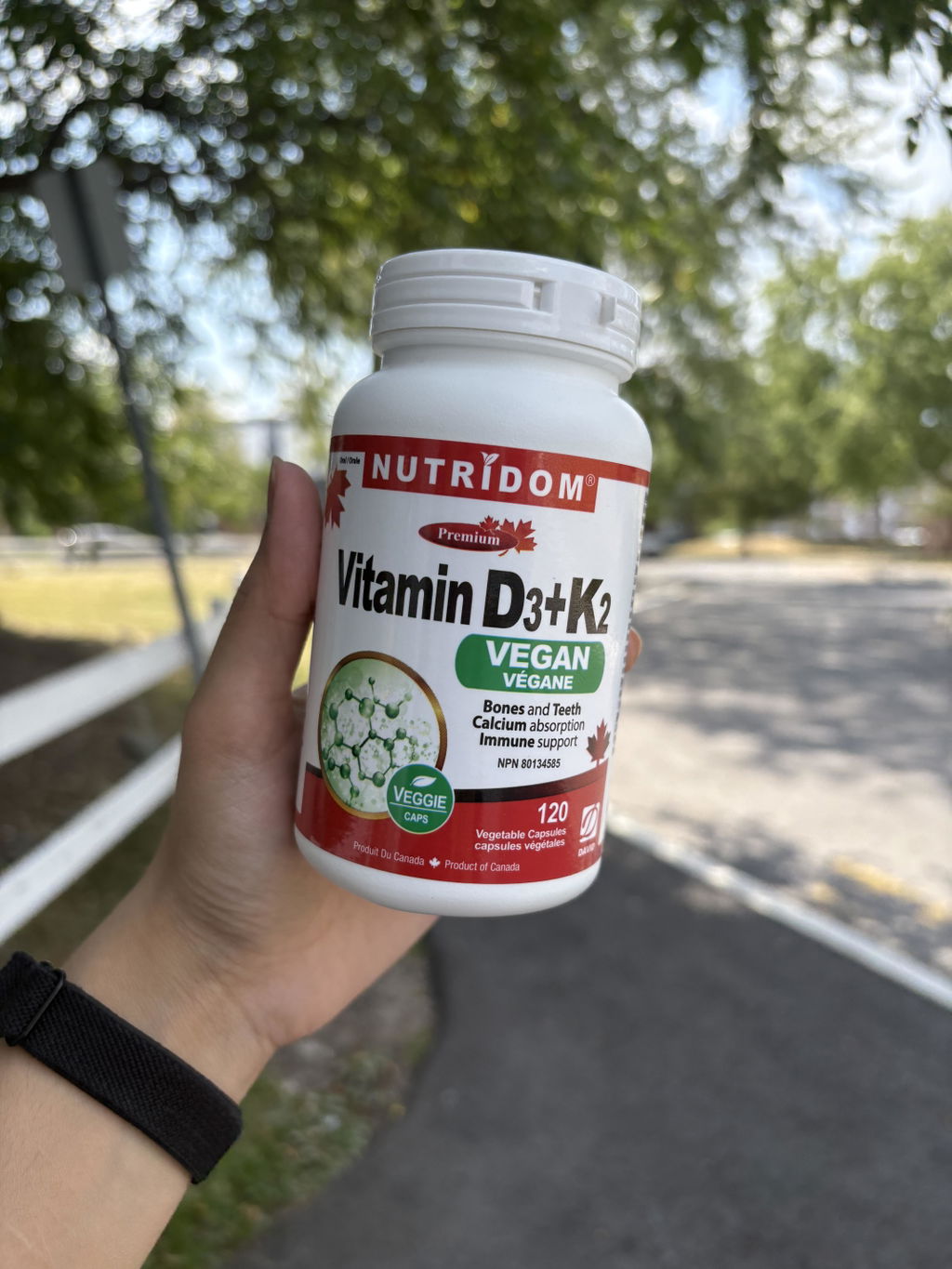
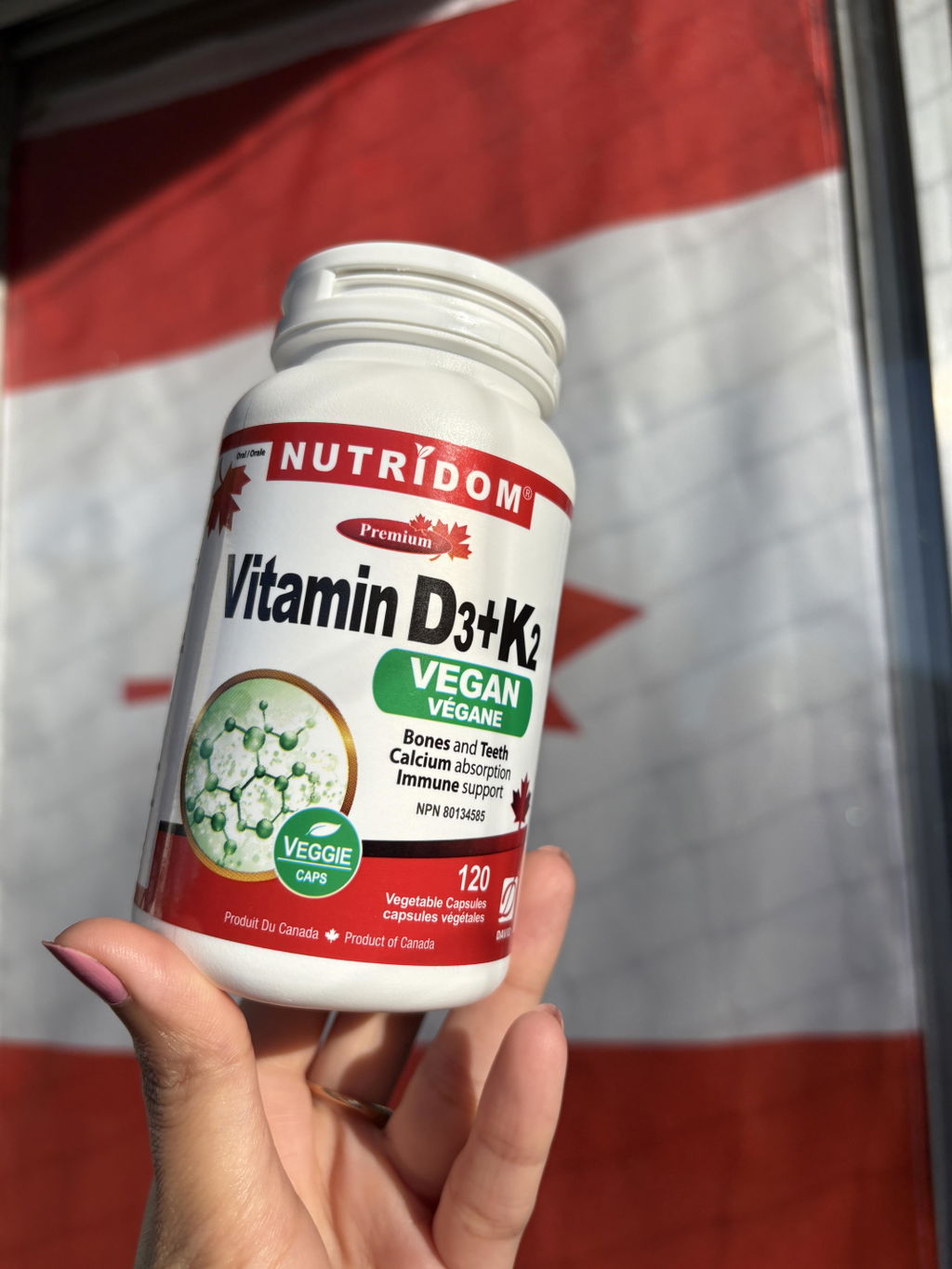
Q: What makes this vitamin D3 vegan? Isn't D3 usually from animals?
A: You're correct that most vitamin D3 supplements are derived from lanolin (sheep's wool), making them unsuitable for vegans. This formula uses vitamin D3 extracted from lichens, a unique plant-based source. Lichens are composite organisms formed from algae and fungi living in symbiosis. Certain lichen species naturally produce vitamin D3 (cholecalciferol), the same form produced in human skin from sunlight. This provides vegans with true vitamin D3 - not the less effective D2 - without any animal-derived ingredients.
Q: What's the difference between vitamin D3 and D2?
A: Vitamin D3 (cholecalciferol) is the form produced in human skin when exposed to UVB sunlight and is the natural, bioidentical form the body uses most efficiently. Vitamin D2 (ergocalciferol) is produced by plants and fungi. Research shows that vitamin D3 is approximately 87% more potent than D2 at raising and maintaining blood levels of vitamin D. D3 also has a longer half-life and better bioavailability. Traditionally, vegans had to settle for D2 because D3 was only available from animal sources, but lichen-derived D3 now provides vegans with the superior D3 form without animal ingredients.
Q: Why do I need both vitamin D3 and K2 together?
A: Vitamins D3 and K2 work synergistically for optimal calcium metabolism. Vitamin D3 increases calcium absorption in the intestines, making more calcium available in the bloodstream. Vitamin K2 activates proteins (osteocalcin and matrix Gla-protein) that direct calcium to bones and teeth while preventing calcium deposits in soft tissues like arteries. Taking D3 without K2 can increase calcium absorption without proper direction, potentially leading to calcium deposits in soft tissues. Together, they ensure calcium is efficiently absorbed AND properly distributed - supporting both bone health and cardiovascular health.
Q: What is K2 MK-7 and why is it from natto?
A: Vitamin K2 exists in several forms, with MK-7 (menaquinone-7) being the most bioavailable and longest-lasting. Natto is a traditional Japanese food made from fermented soybeans, and the fermentation process produces MK-7. MK-7 has a longer half-life in the body (72 hours) compared to MK-4 (1 hour), providing more sustained vitamin K2 activity throughout the day. It's better absorbed and remains active longer than other forms of vitamin K2. Plus, natto-derived K2 MK-7 is 100% plant-based, making it suitable for vegans and vegetarians.
Q: How much vitamin D3 and K2 should I take?
A: This formula provides 25mcg (1000 IU) of vitamin D3 and 120mcg of vitamin K2 MK-7 per capsule. Follow the dosage instructions on the label or as directed by your healthcare practitioner. The 1000 IU dose of D3 is a common maintenance dose, though individual needs vary based on factors like sun exposure, skin tone, geographic location, and current vitamin D levels. Your healthcare provider can test your vitamin D levels to determine if you need a different dose.
Q: Can I take this if I'm on blood thinners?
A: Consult your healthcare practitioner before taking this product if you're on blood-thinning medications (anticoagulants like warfarin/Coumadin). Vitamin K can interfere with blood-thinning medications because it plays a role in blood clotting. Your doctor may need to adjust your medication dosage or monitor your INR levels more closely. Never start or stop vitamin K supplementation without consulting your healthcare provider if you're on anticoagulants.
Q: How does this help with bone health?
A: This formula supports bone health through multiple mechanisms. Vitamin D3 is essential for calcium absorption in the intestines - without adequate D3, your body cannot absorb calcium efficiently regardless of intake. Vitamin K2 activates osteocalcin, a protein that binds calcium to the bone matrix, supporting bone strength and density. Together, they ensure calcium is both absorbed (thanks to D3) and properly incorporated into bones (thanks to K2), supporting healthy bone density and strength.
Q: Why is vitamin D important for immune health?
A: Vitamin D3 plays a critical role in immune function by supporting the function of immune cells including T cells and macrophages, which are essential for immune defense. During fall and winter months when sunlight exposure is limited, vitamin D levels often decrease. People living in northern latitudes have limited UVB exposure during winter months, making supplementation particularly important. Adequate vitamin D levels support normal immune system function year-round.
Q: How does K2 prevent calcium from going to arteries?
A: Vitamin K2 activates a protein called matrix Gla-protein (MGP), which prevents calcium from depositing in soft tissues like arteries and blood vessels. When MGP is activated by K2, it binds to calcium in the bloodstream and prevents it from forming deposits in arterial walls. This is why the D3+K2 combination is important - D3 increases calcium absorption, and K2 ensures that calcium goes to bones and teeth rather than soft tissues, supporting both bone health and cardiovascular health.
Q: Do I still need this if I get sun exposure?
A: While sun exposure can produce vitamin D3 in the skin, many factors affect production including geographic location, season, time of day, skin tone, age, and sunscreen use. People living in northern latitudes (above 37° latitude) cannot produce adequate vitamin D from sunlight during winter months. Additionally, this formula provides vitamin K2, which is not produced from sun exposure and is difficult to obtain from diet unless you regularly eat natto. Even with sun exposure, the D3+K2 combination provides comprehensive support for calcium metabolism.
Q: Is this suitable for vegetarians as well as vegans?
A: Yes, this formula is suitable for both vegans and vegetarians. It's 100% plant-based with vitamin D3 from lichens and vitamin K2 from natto (fermented soybeans). The capsules are made from hypromellose (plant-based), not gelatin. There are no animal-derived ingredients whatsoever, making it suitable for anyone following a plant-based diet or seeking clean, non-animal vitamin sources.
Q: How should I take this supplement? A: Take as directed on the label or by your healthcare practitioner. Because vitamins D3 and K2 are fat-soluble vitamins, they're best absorbed when taken with a meal containing some dietary fat. This could be as simple as taking your capsule with breakfast, lunch, or dinner. Consistent daily use provides the best results for maintaining adequate vitamin D and K2 levels.