CLIENTS AMÉRICAINS - MÊME PRIX. PAS DE DROITS DE DOUANE. AUCUN FRAIS CACHÉ.

LIVRAISON GRATUITE DÈS 55 $ D'ACHAT

BÉNÉFICIEZ DE 10 % DE RÉDUCTION SUR LA PREMIÈRE COMMANDE

OBTENEZ 10 % DE RÉDUCTION SUR LA PREMIÈRE COMMANDE

Votre panier

Votre panier est actuellement vide.

100% pur
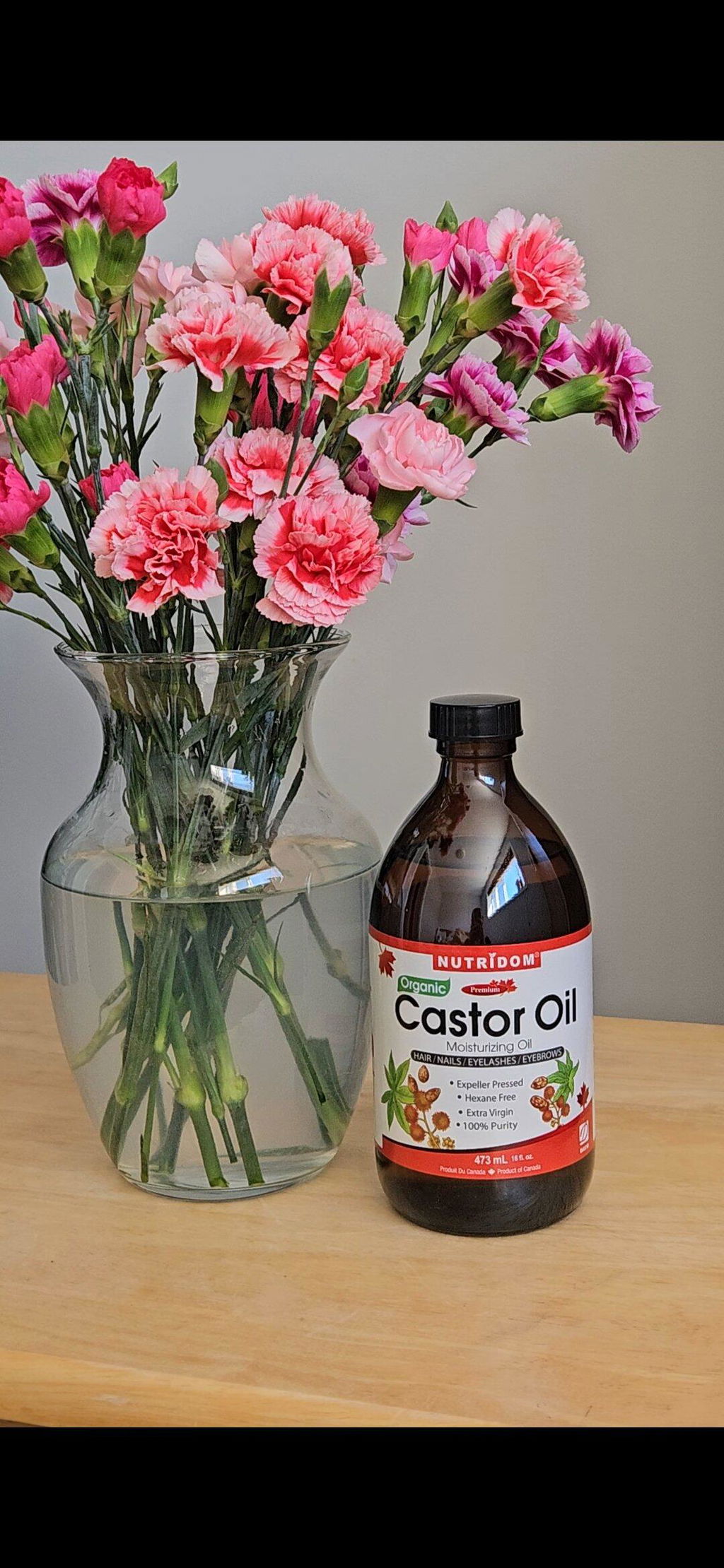
L'huile de ricin biologique Nutridom est composée à 100 % d'huile de ricin pure et certifiée biologique, sans additifs ni conservateurs. Adaptée à un usage externe et capillaire, cette huile polyvalente offre une solution naturelle et saine pour votre routine de soins quotidienne.

Utilisation polyvalente
Idéale pour les cheveux, la peau, le cuir chevelu, les sourcils, les cils et les massages. L'huile de ricin est largement utilisée pour hydrater la peau sèche, nourrir les cheveux et favoriser la pousse de cils et de sourcils sains.

Formule propre et sûre
Notre huile de ricin est sans hexane, sans OGM, végane et sans colorants, parfums ni conservateurs artificiels. Douce pour un usage quotidien, elle convient à tous les types de peau et de cheveux.

Huile de ricin biologique Nutridom | 100 % pure | Sans hexane

Prix normal $19.99
Prix ​​à l'unité
Par 
5.0 (3)

Le renouvellement est automatique, vous pouvez ignorer ou annuler à tout moment.

Pour l’ajouter au panier, accédez à la page du produit et sélectionnez une option d’achat
Les frais d'expédition sont calculés au moment du paiement.

100% pur
L'huile de ricin biologique Nutridom est composée à 100 % d'huile de ricin pure et certifiée biologique, sans additifs ni conservateurs. Adaptée à un usage externe et capillaire, cette huile polyvalente offre une solution naturelle et saine pour votre routine de soins quotidienne.

Utilisation polyvalente
Idéale pour les cheveux, la peau, le cuir chevelu, les sourcils, les cils et les massages. L'huile de ricin est largement utilisée pour hydrater la peau sèche, nourrir les cheveux et favoriser la pousse de cils et de sourcils sains.

Formule propre et sûre
Notre huile de ricin est sans hexane, sans OGM, végane et sans colorants, parfums ni conservateurs artificiels. Douce pour un usage quotidien, elle convient à tous les types de peau et de cheveux.

Supplement Facts

Supplement Facts

Serving Size: Topical Use Only — Apply as Needed

Servings Per Container: N/A — Topical Use

Ingredient
Amount Per
Serving
% Daily
Value
Ricinus communis (Castor) Seed Oil Certified Organic, Cold Pressed, Hexane Free (Sourced from India)
100%
N/A

Not applicable — for external use only

Other Ingredients:
Single Ingredient

Clinical Research

Castor oil: properties, uses, and optimization of processing parameters in commercial production

Bioresource Technology, 2006

This comprehensive review examined the chemical composition, physical properties, and applications of castor oil (Ricinus communis seed oil). The review established that castor oil contains approximately 85 to 90% ricinoleic acid a hydroxyl fatty acid unique to castor oil and not found at significant concentrations in any other commercially available vegetable oil. The hydroxyl group at the 12-carbon position of ricinoleic acid was identified as the structural basis for castor oil's characteristic high viscosity, strong humectant properties, and superior skin penetration compared to other fixed oils. The review directly supports the use of cold pressed castor oil as a topical skin and hair conditioning agent.

Anti inflammatory activity of ricinoleic acid in a murine model

European Journal of Pharmacology, 2001

This study examined the anti-inflammatory and analgesic properties of ricinoleic acid the primary fatty acid in castor oil (approximately 85 to 90% of total fatty acid content) in a validated murine model of inflammation. The study found that ricinoleic acid produced significant anti-inflammatory effects through activation of EP3 prostanoid receptors, reducing inflammatory mediator release and supporting a healthy inflammatory response in skin tissue. The findings provide mechanistic evidence for the topical anti-inflammatory properties of castor oil's primary active component, directly supporting its use as a topical skin conditioning agent.

Hair cosmetics: an overview

International Journal of Trichology, 2015

This comprehensive overview of hair cosmetics examined the role of vegetable oils including castor oil in hair and scalp conditioning. The review found that castor oil's high ricinoleic acid content and exceptional viscosity make it one of the most effective natural oils for coating the hair shaft, reducing moisture loss from the cortex, and providing a protective film that reduces mechanical damage from combing and styling. The review also noted castor oil's use in scalp conditioning formulations due to its humectant properties and ability to penetrate the scalp barrier. The findings directly support cold pressed castor oil's use as a topical hair and scalp conditioning agent.

Research information is provided for educational purposes and does not replace the product's approved label information.

Frequently Asked Questions

What is organic castor oil and what is it used for?

Organic castor oil is a 100% pure vegetable oil cold pressed from the seeds ofRicinus communis the castor plant native to tropical regions of Africa and Asia. It is one of the most distinctive vegetable oils in nature, containing approximately 85 to 90% ricinoleic acid a hydroxyl fatty acid not found at significant concentrations in any other commercially available oil. It is used topically for skin moisturizing, hair and scalp conditioning, eyebrow and lash care, and general skin nourishment. This formula is certified organic, hexane-free cold pressed, single ingredient, and stored in a glass bottle. For external use only.

What is ricinoleic acid and why does it make castor oil unique?

Ricinoleic acid is a hydroxyl fatty acid that constitutes approximately 85 to 90% of castor oil's fatty acid composition making castor oil the only commercially available vegetable oil with this fatty acid as its primary component. The hydroxyl group at the 12 carbon position of ricinoleic acid gives castor oil its characteristic high viscosity, strong humectant properties, and ability to penetrate the skin barrier more deeply than most other fixed oils. This unique fatty acid profile is the basis for castor oil's longstanding use in topical skin and hair care. No other vegetable oil not coconut, jojoba, argan, or olive contains ricinoleic acid at meaningful concentrations.

Why is castor oil stored in a glass bottle instead of plastic?

Apply castor oil directly to the scalp and hair. Leave on for at least 30 minutes or overnight for deeper conditioning. Wash out with shampoo you may need to shampoo twice due to castor oil's thick texture. Use 1 to 2 times per week or as needed. Due to its high viscosity, castor oil is easier to apply when slightly warmed place the glass bottle in warm water for a few minutes or blended with a lighter carrier oil such as coconut or jojoba oil to improve spreadability. For external use only.

How do I use castor oil for eyebrows and eyelashes?

Using a clean brush, spoolie, or applicator, apply a small amount of castor oil to eyebrows or the lash line before bedtime. Remove in the morning with a gentle cleanser or micellar water. Avoid direct contact with eyes if contact occurs, rinse thoroughly with water. Use consistently for best results.

How do I use castor oil on skin?

Apply a small amount of castor oil to clean, dry skin and massage gently until absorbed. Suitable for face and body. Can be used alone as a moisturizer or blended with a lighter carrier oil such as jojoba or rosehip to improve texture and spreadability. Castor oil's high ricinoleic acid content gives it strong humectant properties it draws moisture to the skin and helps maintain the skin barrier. Perform a patch test on a small area of skin before first use, particularly if you have sensitive skin or known allergies. For external use only.

Can castor oil be mixed with other oils?

Yes castor oil blends well with lighter carrier oils to improve spreadability and texture. Due to its high viscosity, castor oil is often blended at 10 to 30% concentration with lighter oils such as coconut oil, jojoba oil, argan oil, or rosehip oil for hair and scalp use. For skin use, blending with a lighter oil creates a more easily spreadable texture while retaining castor oil's humectant and skin-barrier properties. For eyebrow and lash use, castor oil is typically used undiluted due to the small application area. Always use clean applicators and perform a patch test before first use.